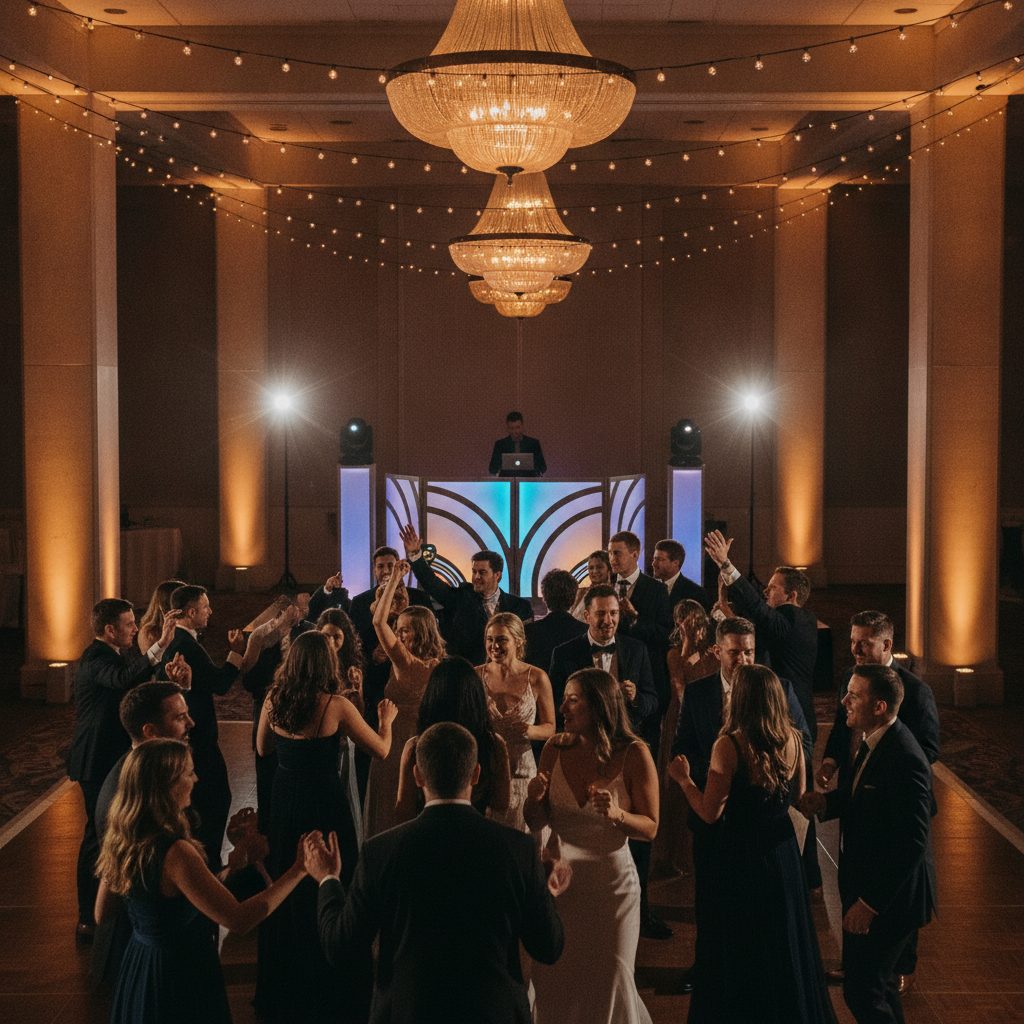
Wedding DJ Schedule: Book at the Right Time in 2026
Plan your wedding DJ booking timeline for Oakville. Reserve early, design cues, and finalize details for a smooth, high‑energy reception in 2026.
The wedding DJ booking timeline is the month‑by‑month plan for researching, reserving, and coordinating your DJ, MC, sound, lighting, and effects. For Oakville couples, an ideal range is 9–12 months out for peak dates, with faster action (4–8 weeks) for weekday or off‑season weddings. Lock specifics—music cues, special effects, and setup—60–30 days before.
By B-Town Entertainment • Last updated: 2026-06-24
Above-Fold Section
Book your wedding DJ early to protect your date and design the atmosphere you want. Most Oakville couples should inquire 12 months out, confirm 9–10 months out, and finalize music cues 30–45 days before. This cadence keeps vendor holds, rehearsal timing, and special effects aligned with your reception flow.
Use this section like a quick-start board. If you’re planning a South Asian or multicultural celebration, B-Town Entertainment coordinates DJ, MC, dhol, lighting, décor, photo/video, and effects under one plan—so your entrances, dances, and speeches hit on time and on beat.
- 12–15 months: Shortlist DJs, check availability, align on cultural music fluency.
- 9–12 months: Reserve your date; confirm package scope (DJ, MC, lighting, effects).
- 6 months: Start your music plan; outline entrances, first dance, and do‑not‑play list.
- 60–45 days: Finalize timeline, floor plan, and power needs.
- 30–14 days: Approve cues, pronunciations, and vendor load‑in details.
- Event week: Reconfirm logistics and backups with your DJ lead.
Overview
A reliable wedding DJ booking timeline breaks planning into clear windows: research (12–15 months), reserve (9–12 months), design (6–3 months), finalize (45–14 days), and execute (event week). This structure reduces stress, protects key dates, and ensures your reception flow, audio, and lighting work together.
Below is a practical at‑a‑glance roadmap. Use it to set reminders and align vendors. If you want one team to coordinate DJ, MC, lighting, décor, photo/video, dhol, and effects, explore B-Town’s integrated options on our services page.
| Window | Target Timing | Key Actions | Outputs |
|---|---|---|---|
| Research | 12–15 months | Shortlist culturally fluent DJs; review reels and gallery; check peak date holds | Shortlist + availability notes |
| Reserve | 9–12 months | Confirm scope (DJ, MC, sound, lighting, effects); secure the date; set planning calls | Signed agreement + planning calendar |
| Design | 6–3 months | Build music outline, entrances, special dances, and sound coverage plan | Draft run‑of‑show + floor plan |
| Finalize | 45–14 days | Lock cues, pronunciations, lighting scenes, and effect timings | Final cue sheet + vendor schedule |
| Execute | Event week | Confirm load‑in, soundcheck windows, and day‑of contact routing | Run‑sheet + on‑site contact list |
Local considerations for Oakville
- Seasonal daylight: Winter sunsets affect reception lighting. Plan uplighting and first‑dance effects to start earlier.
- Weekday flexibility: Off‑peak weekdays open more 4–8 week booking opportunities for DJ, MC, and décor teams.
- Load‑in logistics: Share venue access windows early so sound, lighting, and stage décor can be set before guest arrival.
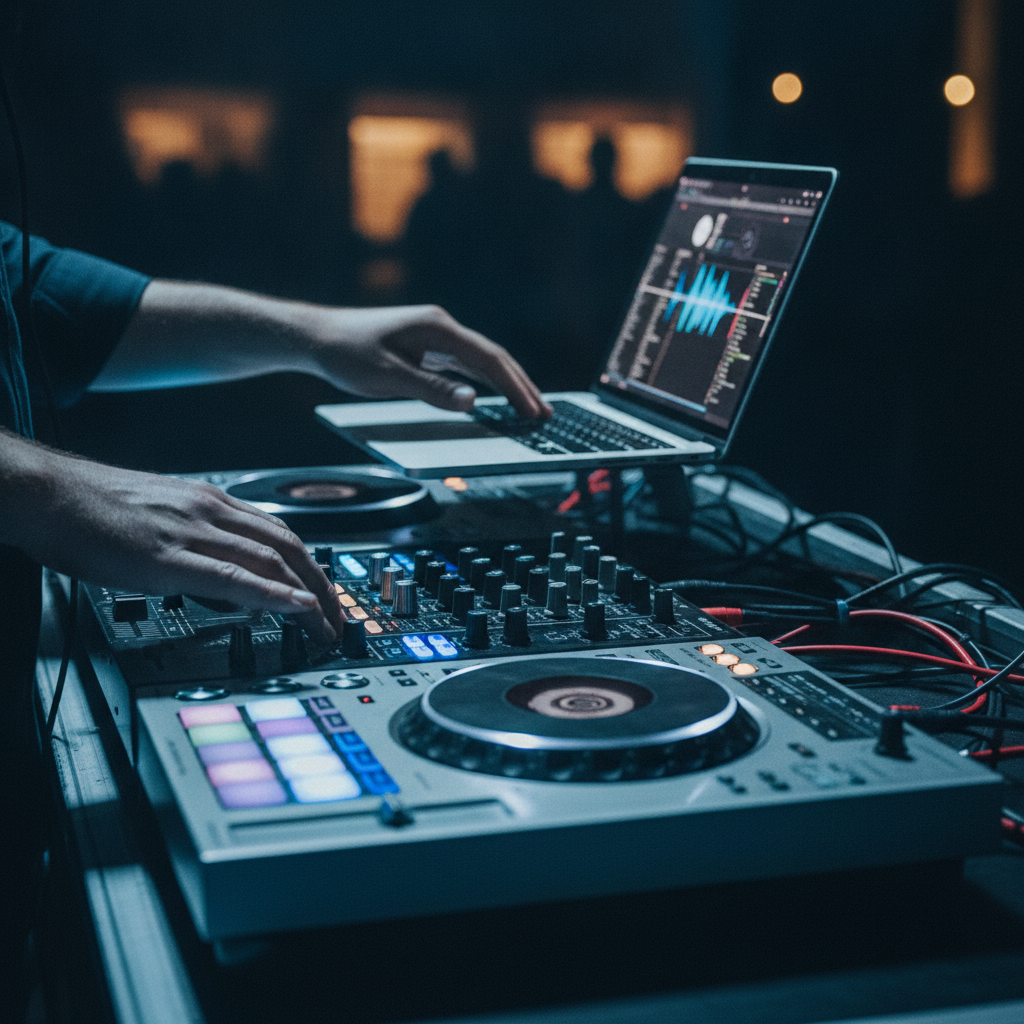
What Is a Wedding DJ Booking Timeline?
A wedding DJ booking timeline is a structured schedule that maps when to research, reserve, design, and finalize your DJ, MC, and production elements. It ensures your date is protected, cultural music needs are met, and technical setup—sound, lighting, and effects—lands on time for every reception moment.
Think of it as your music‑and‑production backbone. For South Asian and multicultural weddings, this includes Sangeet/Jaggo energy, Baraat entries, reception grand entrances, and smooth handoffs between speeches, first dances, and open dance sets.
- Scope alignment: DJ, MC, sound coverage, lighting, and special effects defined early.
- Milestone pacing: 12–15 months (research), 9–12 months (reserve), 6–3 months (design), 45–14 days (finalize).
- Cultural fluency: Punjabi, Bollywood, and fusion mixing planned with family preferences and do‑not‑play lists.
- Technical clarity: Power, stage layout, wireless mics, and vendor load‑in mapped to your venue’s windows.
In our experience coordinating Oakville receptions, the couples who lock milestones on this cadence arrive calmer, hit their entrances precisely, and actually get more dance floor time.
Why the Timeline Matters
Your booking timeline protects peak dates, keeps vendors in sync, and builds space for cultural music planning. Early alignment reduces last‑minute changes, tightens soundchecks, and improves guest experience—from clear speeches to packed dance sets.
Here’s why this matters to couples we serve in Oakville:
- Date security: Popular weekends fill quickly. A 9–12 month reserve window reduces conflicts with venues and photographers.
- Reception flow: Finalizing cues 30–45 days ahead means entrances, dances, and speeches stay on time.
- Cultural specificity: Families can review Punjabi/Bollywood selections and ceremonial songs without pressure.
- Technical readiness: Mapping power, wireless microphones, and stage décor prevents day‑of surprises.
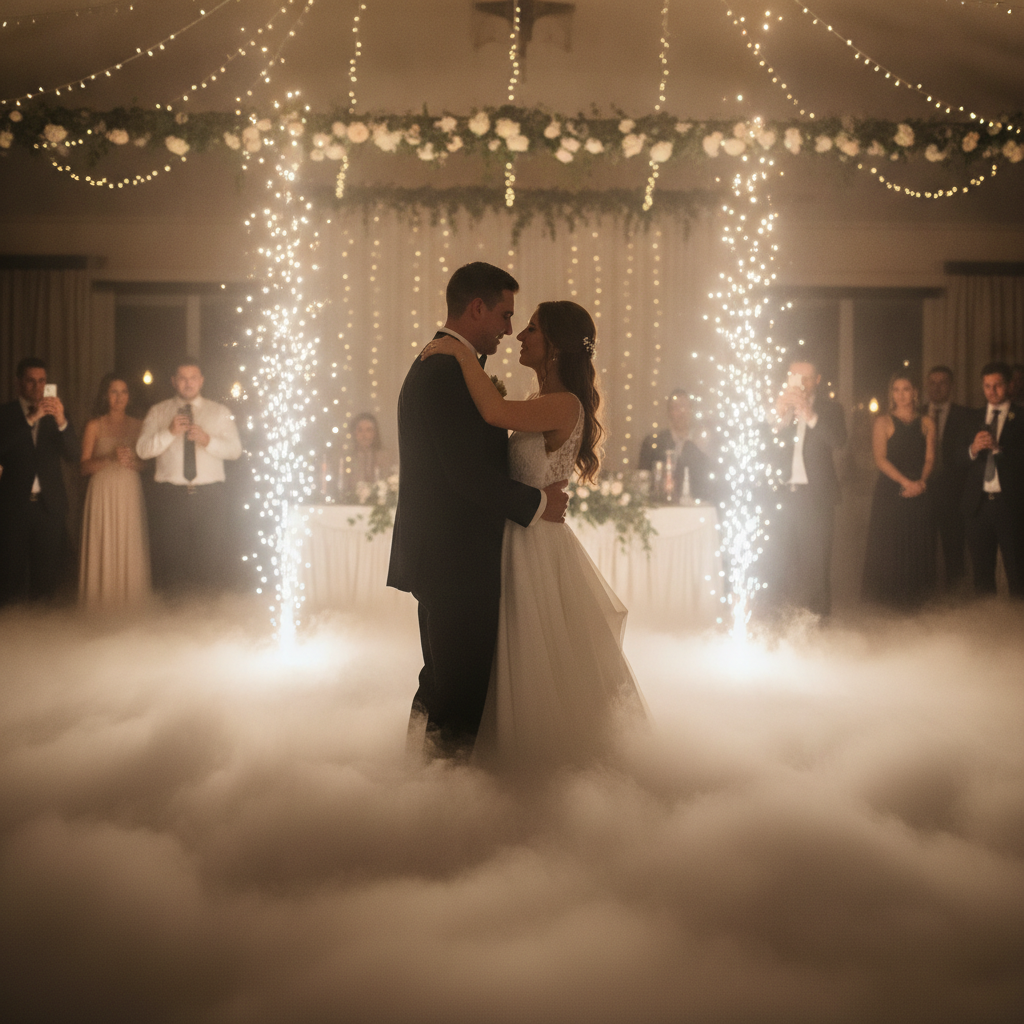
- Visual impact: Effects like cold sparklers and dancing‑on‑clouds can be approved and rehearsed safely.
Many venues publish sample reception timelines to help couples visualize the night. See this clear breakdown of reception beats in a local venue’s reception timeline planning guide to cross‑check your flow and cue spacing.
How the Wedding DJ Booking Timeline Works
Work in five phases: research (12–15 months), reserve (9–12), design (6–3), finalize (45–14 days), and execute (event week). Each phase assigns clear tasks—availability checks, scope selection, music planning, cue approvals, and load‑in coordination—so your reception runs on rails.
Phase 1: Research (12–15 months)
- Clarify your cultural music map: Punjabi, Bollywood, Hip‑Hop, Top 40, Afrobeat, Soca.
- Review real results: room reveals, entrances, and dance floors in the B‑Town gallery.
- Confirm DJ‑MC integration and dhol options for entrances and hype moments.
- Shortlist two to three providers and set discovery calls.
Phase 2: Reserve (9–12 months)
- Select your scope on the packages page (Essential DJ to Full‑Service Wedding).
- Confirm venue access windows and typical soundcheck options.
- Schedule planning checkpoints (90, 45, and 14 days out) with your DJ lead.
- Share must‑plays, do‑not‑plays, and pronunciation guide drafts.
Phase 3: Design (6–3 months)
- Build a run‑of‑show covering entrances, first dances, toasts, dinner soundtrack, and party sets.
- Map floor plan: DJ booth placement, speaker coverage, dance floor, and stage décor.
- Choose lighting looks (uplighting, lasers) that match your décor palette.
- Decide on special effects for key moments (cold sparklers, dry ice clouds).
Phase 4: Finalize (45–14 days)
- Approve cue sheet with track start/stop timing and MC scripting.
- Confirm power circuits, wireless microphone placement, and backup audio paths.
- Lock vendor load‑in, strike times, and stage safety checkpoints.
- Share day‑of contact list and confirm rehearsal availability if needed.
Phase 5: Execute (Event week)
- Reconfirm timeline, cue ownership, and weather contingencies with your DJ lead.
- Route any last‑minute announcements through the MC script to avoid surprises.
- Keep a copy of the final run‑sheet at the DJ booth and with your coordinator.
Need one integrated team? Explore our coordinated DJ, MC, lighting, décor, photo/video, and effects, or reserve your date to start the planning cadence.
Types/Methods: Timeline Models That Work
Choose a timeline model that fits your date and complexity: long‑runway (15–12 months), standard (12–6), fast‑track (8–4 weeks), or multi‑event South Asian flows that span several nights. Match planning depth to your reception elements and vendor coordination needs.
- Long‑runway (15–12 months): Best for peak Saturdays and elaborate lighting/décor or multi‑camera video. More time to audition mixes and iterate design.
- Standard (12–6 months): Most Oakville couples land here. Plenty of space to craft a bilingual or fusion reception with MC scripting.
- Fast‑track (8–4 weeks): Works for weekday or off‑season dates; keep scope focused (DJ + MC + essential lighting).
- Multi‑event (Jaggo/Sangeet → Reception): Plan beats across nights—dhol features, family items, and rehearsal for entrances.
- Backyard micro‑wedding: Prioritize power distribution, weather plan, and compact speaker coverage; timeline windows can compress.
For visual inspiration and pacing ideas, compare real receptions in our gallery, then map your preferred energy arc (classic, steady build, or high‑octane right after dinner).
Best Practices for a Stress‑Free Timeline
Lock the date early, simplify your vendor list, and schedule three planning checkpoints. Share pronunciations and do‑not‑plays in writing, and approve effect timings 30–14 days out. These moves remove guesswork and keep your reception crisp from entrances to last dance.
- One coordinated team: Bundling DJ, MC, sound, lighting, décor, photo/video, and effects reduces handoffs. See options on our packages.
- Three checkpoints: 90 days (outline), 45 days (draft cues), 14 days (final approvals).
- Reception map: Draft your cue order against a sample reception flow; a venue’s timeline template is a useful cross‑check.
- Name checks: Provide phonetic spellings for MC scripts 30 days out.
- Redundancy: Confirm backup audio paths and wireless frequency strategy.
- Visual safety: Align effect timings with photographer/videographer cues so shots land cleanly.
Want a walkthrough of how we run receptions? Scan our latest wedding posts and bring your questions to a planning call.
Tools and Resources That Speed Planning
Use a shared run‑of‑show spreadsheet, a living do‑not‑play list, and a simple cue sheet that names who owns each moment. Pair these with planning calls and quick messaging so small questions never become big day‑of problems.
- Run‑of‑show (ROS): A one‑page schedule with time, action, owner, and track notes.
- Cue sheet: Start/stop times for entrances, dances, speeches, and effect triggers.
- Floor plan: Booth position, speakers, stage backdrops, and photo/video sightlines.
- Shared notes: Live doc for music requests and cultural must‑plays.
- Checklists: Wireless mic handoffs, vendor contact list, and backup paths.
- Integration: Our service stack bundles DJ, MC, lighting, décor, and media—one message thread, one plan.
Venue planning examples can help you visualize pacing and speeches. This concise ceremony timeline overview shows how pre‑ceremony, vows, and transition to reception can be mapped without crowding.
Case Studies: Oakville Wedding Timelines in Action
Real Oakville couples see the payoff: earlier bookings protect peak dates, integrated teams reduce handoffs, and clear cues produce cleaner photos and smoother dance sets. Here are three snapshots showing how different timelines deliver great results.
Fusion Reception, Peak Saturday (12‑month runway)
- Profile: Punjabi–Bollywood fusion, 250 guests, live dhol entrances.
- Timeline: DJ reserved 12 months out; lighting/décor confirmed 6 months; effect timings locked 30 days.
- Wins: Pronunciation rehearsal and dhol cue practice produced tight entrance hits and crisp first‑dance photos.
- Stack: Professional DJ + MC + dhol + uplighting + dry ice + sparklers.
Weekday Micro‑Wedding (6‑week fast‑track)
- Profile: 70 guests, intimate dinner‑to‑dance format, compact sound.
- Timeline: Inquiry 8 weeks out; scope locked at 6; cues approved at 14 days.
- Wins: Focused scope (DJ + MC + essential lighting) kept setup fast and the dance floor lively.
- Stack: Essential DJ package plus wireless mics and subtle uplighting.
Multi‑Event South Asian Flow (Jaggo → Reception)
- Profile: Family items on Jaggo night; formal reception two days later.
- Timeline: Booked 10 months out; separate cue sheets for both nights; shared vendor load‑in plan.
- Wins: Consistent MC voice and shared run‑sheets avoided duplicated planning and kept transitions smooth.
- Stack: DJ + MC + dhol + stage décor + lighting + media for highlights/reels.
Frequently Asked Questions
Most couples book their DJ 9–12 months out. Weekdays or off‑season dates can work on 4–8 weeks’ notice. Finalize cues 30–45 days prior, and keep all vendor logistics in one plan so your reception stays on time.
When should we book a wedding DJ for a peak Saturday?
Aim for 9–12 months out. That window protects your date and leaves space to design lighting looks, plan MC scripts, and rehearse effect timings with your photo/video team.
Can we plan a full DJ timeline in under eight weeks?
Yes—especially for weekday or off‑season events. Keep the scope focused (DJ + MC + essential lighting), schedule quick planning calls, and approve your cue sheet 14 days before.
How do we coordinate effects like cold sparklers and dry ice safely?
Confirm effect placement, trigger timing, and clearance in advance. Share the floor plan with your venue and photo/video teams, and rehearse the first‑dance cue so the moment lands perfectly in photos.
What if our families have very different music preferences?
Build a balanced set list with must‑plays, do‑not‑plays, and a few anchor songs for each group. A culturally fluent DJ can blend Punjabi, Bollywood, and Top 40 so everyone feels included.
Key Takeaways
Reserve early, plan in phases, and keep all vendors aligned with one cue sheet and run‑of‑show. This structure protects your date and makes room for cultural details, clean audio, and cinematic visuals that elevate your wedding film and photos.
- Inquiry at 12 months; confirm 9–10 months for busy Saturdays.
- Design your music arc 6–3 months out with family input.
- Approve cues, pronunciations, and effect timings 30–14 days before.
- Bundle services where possible for fewer handoffs and cleaner execution.
- Use venue timeline examples to validate pacing and transitions.
Conclusion: Next Steps
Follow a simple cadence—research, reserve, design, finalize, execute—to remove stress and maximize dance‑floor time. If you want one integrated team for DJ, MC, dhol, lighting, décor, media, and effects, reserve your date and start the plan.
- Preview real results in our gallery.
- Choose a scope on packages or review our full service stack.
- Book your Oakville date and get your planning calls on the calendar.
- Skim venue pacing ideas in this reception timeline planning guide as a cross‑check.
- Got questions? See our FAQ or message us from the homepage.