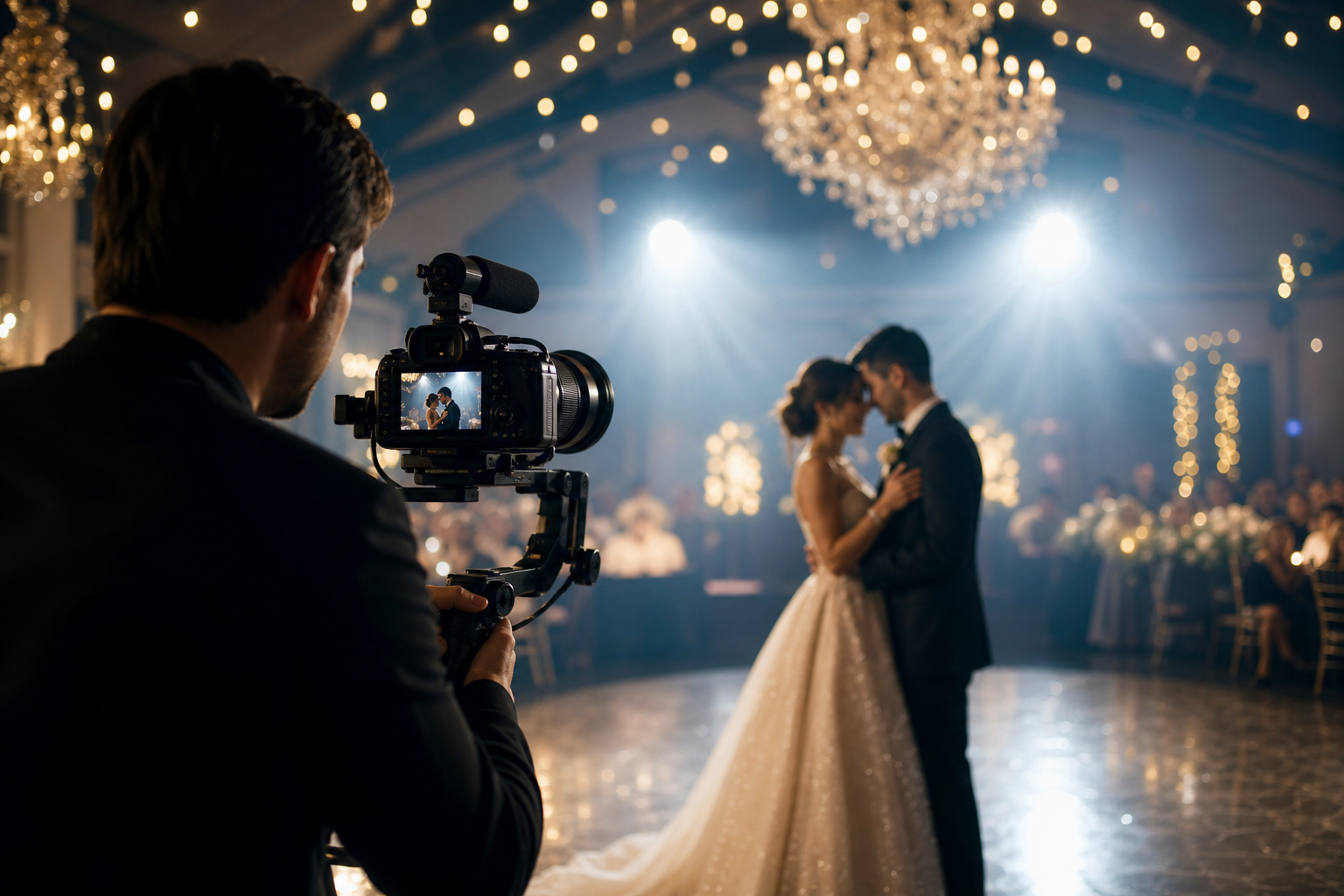
Wedding highlight film planning mistakes couples make
Avoid costly mistakes when planning your wedding highlight film: spot red flags, confirm audio and vendor coordination, and understand GTA costs.
Wedding highlight film planning mistakes couples make
Planning a wedding highlight film is part creative brief and part logistics operation. Couples in the GTA and beyond need realistic expectations about what a highlight film is, how much editing time it requires, and which vendor missteps leave you without usable footage. This article lays out the practical red flags to stop for, the single question that usually exposes each problem, a copy-ready shot list and vendor-cue checklist, and the concrete questions to ask prospective videographers so you book with confidence.
What a wedding highlight film is and realistic expectations
A wedding highlight film is a professionally edited short film that captures the emotional and visual highs of your day, typically two to five minutes long. For a clear definition, see a videographer FAQ like the one from Bright Idea Films which explains what a highlight film includes and why couples choose one.
Editing a polished highlight is time intensive. Professional studios report that a single three-to-five-minute highlight routinely takes 30 to 60 plus hours of work: culling footage, syncing audio, shaping a narrative, colour grading, and music selection. For Ontario pricing context and labour expectations, see the cost guide from Maple Tree Films which summarises how editing time and package scope influence price.
Because of that effort, extremely low quotes or promises of same-week delivery are common red flags. A good rule is to prioritise sample quality, audio capture, and a clear edit workflow over the fastest turnaround or cheapest rate.
Red flags that should stop you from booking
Below are the most common red flags teams encounter when vetting wedding videographers, and the one direct question that usually exposes the issue.
- No recent highlight samples, especially from events similar to yours. Ask: "Can I see three recent highlight films from weddings like ours?" If they cannot or only show behind-the-scenes clips, that is a major warning.
- Vague audio plan for vows, speeches, or live cultural performances. Ask: "How will you capture ceremony audio, speeches, and live dhol or band sound?" A solid answer includes wireless mics, a ceremony feed or shotgun mic plan, and coordination with the DJ or band.
- Unrealistic turnaround promises without a documented workflow. Ask: "What is your editing workflow and realistic delivery window for a highlight film?" If the reply is a single day or a vague timeline, treat it as a red flag. Professional workflows typically include footage prep, rough cut, colour grading and mixing, as explained by CineVisualStudios.
- No revision policy or unclear deliverables. Ask: "How many rounds of revisions are included and what formats will you deliver?" If the vendor cannot commit to a revision policy in writing, you risk a final film that is hard to change.
- No backup or insurance details. Ask: "Do you carry equipment insurance and what is your backup plan if a camera fails?" Reliable teams have redundancy and equipment backup procedures documented.
- Refusal to coordinate with other vendors, especially the DJ, MC, or venue. Ask: "Will you share a shot list and timeline with our DJ, MC, and photographer before the day?" Vendors who avoid collaboration often create missed cues and unusable footage.
Technical and audio pitfalls that ruin highlight films
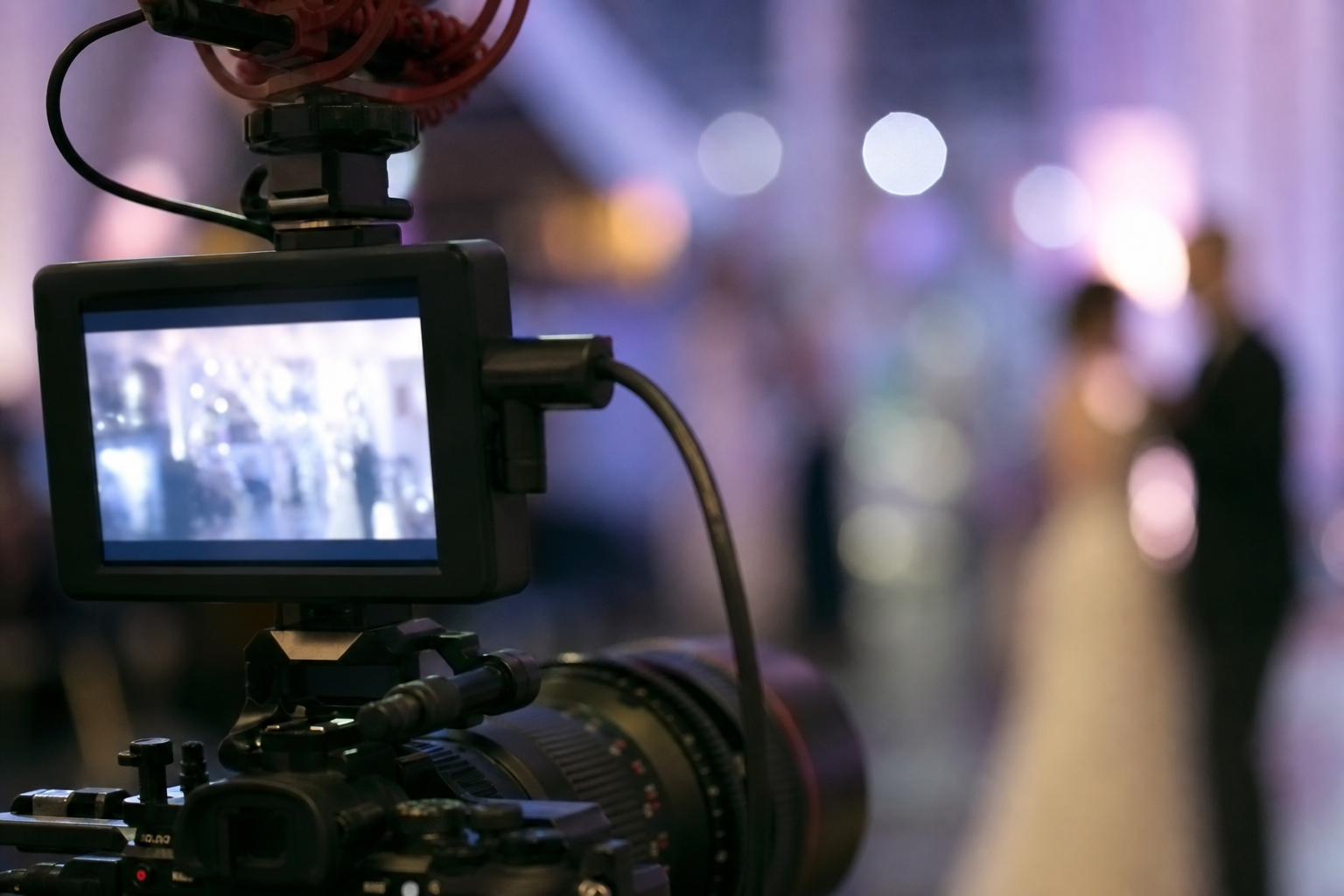
Audio and technical errors are among the few problems that permanently damage a highlight film. A beautiful camera edit cannot replace poor ceremony audio or missing speech tracks. Common pitfalls include wrong mic choice for loud cultural instruments, failure to patch into a ceremony sound feed, and inadequate lighting for video.
Plan audio carefully for cultural elements. If your celebration includes live dhol, a band, or multilingual vows, share those details early so the videographer can arrange microphone placement, DI boxes, or a line from the PA. Conquer Your Journey highlights how live music and private readings change the audio plan, and why that planning should be collaborative.
Other technical issues to watch for:
- Poor mic placement for vows or officiant speech, resulting in distant or unusable audio.
- Using only ambient mics for a loud dhol or band, which will clip and distort the recording.
- Failing to test venue lighting for video, creating footage that is grainy or colour shifted.
- No permissions process for drone footage or special effects, which can lead to last-minute refusals by venues.
Providing a shot list and sharing the schedule with vendors at least two weeks before the wedding reduces these risks. Image Studio recommends sharing detailed shot lists so videographers can review logistics, microphone plans, and timing.
Shareable shot list and vendor-cue checklist
Copy this compact shot list and vendor-cue checklist and send it to your videographer, DJ, MC, photographer, and venue. Ask everyone to confirm receipt and any required technical changes.
Must-have shots for a highlight film
- Preparation: groom and bride details, reacting family moments, close-ups of rings and attire.
- First look or pre-ceremony reveal, if applicable.
- Ceremony wide and close shots: processional, vows, ring exchange, first kiss, exit.
- Key cultural moments: dhol entrance, baraat entries, jaago, rituals that are unique to your celebration.
- Entrances and grand entrance music cues for reception.
- Speeches: start to finish for the primary speeches and close reactions.
- First dance, parent dances, major group dances and hype moments that will appear in reels.
- Room reveal and reaction shots during cake cutting and special effects moments such as cold sparklers or dry ice.
Vendor-cue checklist
- Share the shot list at least 10 to 14 days before the wedding so the videographer can plan mic placement and staging. Image Studio recommends this lead time for review.
- For grand entrances, provide exact music start times and call cues to the DJ and MC, and cue the videographer to stand at pre-agreed positions.
- If cold sparklers or dry ice will be used, confirm venue permission and safety zones with the venue and the videographer ahead of time.
- Confirm whether the videographer needs a direct feed from the ceremony PA or separate wireless mics for vows and speeches.
- Schedule a five-minute coordination call between videographer, DJ, and photographer in the week before the event to align entrance timing and staging positions.
Cost, editing workload, and delivery realities in Ontario and the GTA
In Ontario, typical wedding videography pricing commonly falls between $2,500 and $7,000. Basic highlight-film coverage often starts around $2,500 to $3,500, mid-range packages run roughly $3,500 to $5,500, and premium photo-and-video combinations frequently cost more. For a detailed breakdown and explanation of cost drivers, see Maple Tree Films.
Main cost drivers are coverage hours, number of shooters, editing complexity, drone footage, and music licensing. Editing workflow stages such as proxy generation, rough cut, colour grading, audio mixing, and final export all add time and therefore cost. CineVisualStudios documents the step-by-step editing workflow most professionals follow, which explains why a short highlight still represents many hours of work.
When a quote is markedly lower than market ranges, ask for specifics about who will edit the film, how many hours of coverage are included, and whether music licensing is covered. Cheap, fast promises often mean cuts to editing time, fewer revisions, or missing audio fixes.
Concrete questions to ask every videographer before you book

Use these direct questions to expose red flags and confirm capability. Save them in your shortlisting notes and require written answers in the contract or proposal.
- Can I see three recent highlight films from weddings like ours, ideally shot at similar venues?
- What is your audio plan for vows, speeches, and any live dhol, band, or ritual sound?
- How many shooters will attend, and what are your coverage hours? Is travel included for GTA venues?
- What is your editing workflow and realistic delivery window for a finished highlight film?
- How many revision rounds are included, and what formats will you deliver the final files in?
- Do you carry equipment insurance and what is your backup plan if a camera or drive fails?
- Will you coordinate a final shot list and timeline with our DJ, MC, photographer, and venue? Can you commit to a pre-event call?
- Are drone and special effects included or charged separately, and who secures venue permissions?
Decision criteria, common objections, and when to hire full-service production
When comparing proposals, weigh sample quality, a documented audio plan, willingness to collaborate with other vendors, insured backup procedures, and a clear revision policy over small price differences. B-Town Entertainment highlights the practical benefit of a single production team that coordinates DJ, MC, lighting, decor, and cinematic video, which can reduce miscommunication in culturally complex celebrations.
Common objections are budget limits and venue restrictions. If budget is tight, prioritise ceremony audio and a proven editor over extra coverage hours. If the venue limits effects or drone use, confirm alternatives with the videographer in writing and ask the venue to provide a list of permitted effects in advance to avoid surprises.
For South Asian and multicultural weddings where timing and cultural moments are critical, a full-service production team can be worth the additional cost because one team manages entrance cues, lighting for video, MC flow, and special effects timing. Use the vendor questions above to compare single-vendor production to a la carte teams.
If you want to avoid these red flags: one clear next step
If you prefer an integrated approach that coordinates DJ, MC, lighting, special effects, and cinematic video under a single team, request an instant quote and availability check with B-Town Entertainment to discuss a custom package that matches your venue, guest count, and timeline.
Frequently asked questions
How long should a wedding highlight film be and what does wedding highlight film planning affect?
A highlight film is typically two to five minutes. Planning affects which moments are captured, how the story is shaped, and what audio is recorded. Clear planning ensures the videographer can prioritise ceremony audio, grand entrances, and cultural rituals that matter to your story. For the basic definition, see Bright Idea Films.
How many hours of editing does a 3–5 minute highlight film usually require and how does that influence price?
A 3–5 minute highlight generally requires 30 to 60 plus hours of editing, depending on footage volume, music licensing needs, and colour grading. That labour is a key reason why highlight films commonly fall into the mid-range price bands noted in Ontario cost surveys like Maple Tree Films.
What audio preparations should we make for cultural elements like live dhol, baraat entries, or multilingual vows?
Share full details early. Confirm whether the videographer needs wireless lavalier mics for vows and speeches, direct feeds from the PA for loud instruments, or DI boxes for bands. Conquer Your Journey recommends treating live cultural elements as part of the audio plan, not an afterthought.
What deliverables and revision policies should I insist on before signing a videography contract?
Insist on a written deliverables list that includes resolution, file formats, number of revision rounds, and the delivery method. A clear revision policy prevents scope creep and ensures you can request changes without uncertainty. Ask for these items in the proposal and contract.
Will drone footage or on-stage special effects like cold sparklers increase permit requirements or costs?
Yes. Drone flights and special effects often require venue permission, proof of operator insurance, and sometimes municipal permits. Confirm these items with your venue and the videographer early and factor any additional fees into your budget.
To request an instant quote or discuss a coordinated production package, contact B-Town Entertainment.